The Reality of Prep Style Today

The world of “preppy” dressing is something I will always hold very dear to my heart. Growing up in ragged hand-me-down polos on Boston’s collegiate East Coast, I developed a deep affection for the style. I will be discussing the differences between the highly detailed ensembles of brands like Drake’s and their lookbooks and what true preps are wearing daily. Context and the clothes themselves have both shaped one another and are both integral to understanding the style. Because the clothes cannot exist without the world they were forged from and the world cannot exist without the clothes that stylize it.
The style matters to me a lot. It is not something that is easily imitated and there is such a fundamental misunderstanding of what it is. Being preppy is not simply wearing a cricket sweater around your shoulders. This may be what it looks like from an outsider’s perspective but it goes so much deeper than that. That’s why it’s so irresponsible for style influencers to create short form content titled “How to Dress Preppy” because it’s so much more than aesthetics. It’s running across campus barefoot and in a trench coat, or playing basketball in boat shoes, or going about your day with a coffee stain because stone chinos are just so stylish. Ivy/prep is a lifestyle. That’s the key to understanding the style.
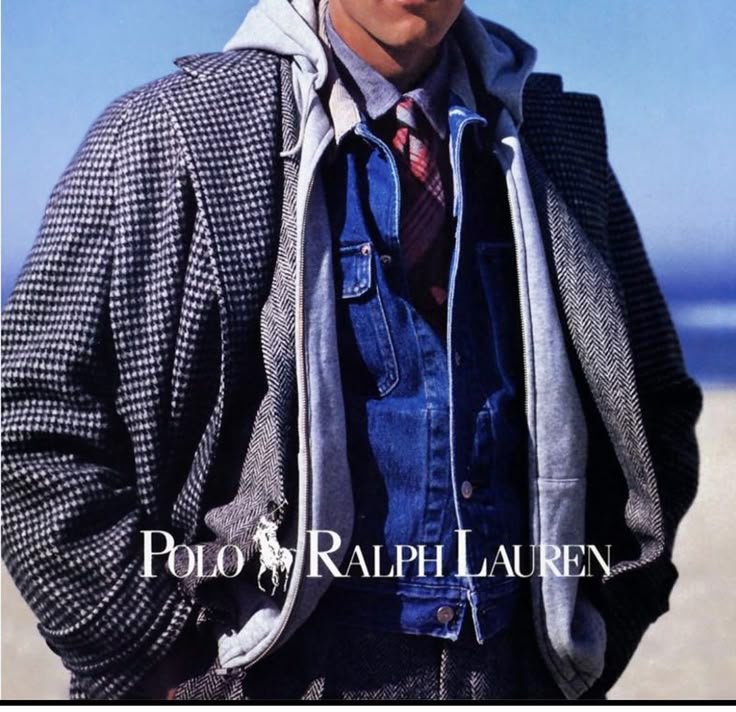
What commonly associated preppy brands push out to the world are these highly romanticized photos of incredibly attractive people draped in at least four layers and exquisite color combinations. This is what we see and what usually comes to mind when discussing the preppy style outside of the greater menswear world. But this is almost never the way anyone dresses outside of a photo shoot. The fact of the matter is life comes first and unless your profession is modeling it’s unlikely you’ll get many opportunities for this sort of dress. But that’s not to say the ivy/prep style is just relegated to Pinterest boards, it’s just a lot simpler.
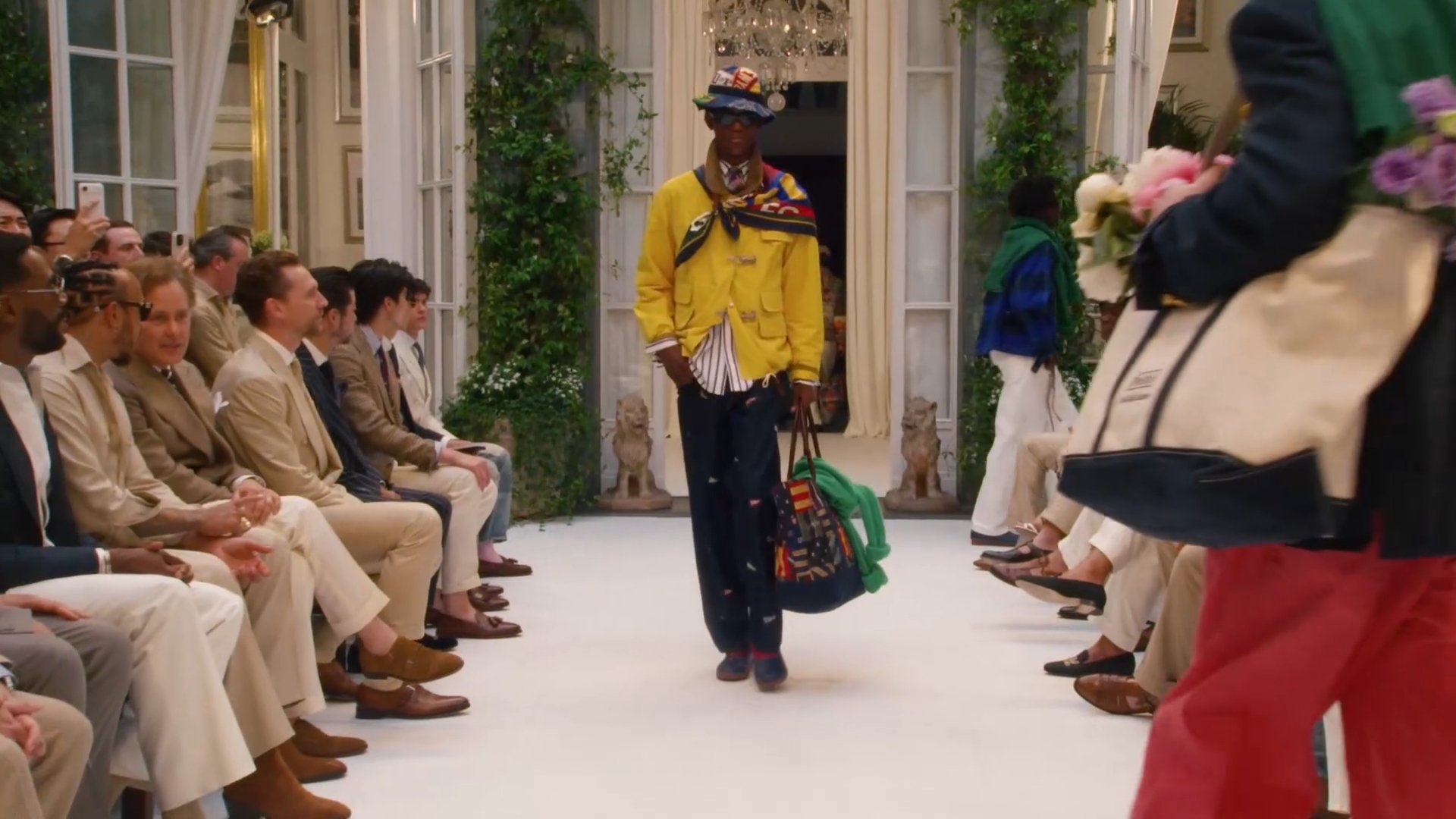
The stylized ads are there to be dramatic and to be the furthest end of the spectrum of what the style is capable of. They exist to push the envelope and keep the brand’s image fresh and topical. Ralph Lauren’s sensational runway show in Milan — which took over the menswear space for a few weeks — is a perfect example of how brands take the aesthetic up to 11. While the whole show isn’t all ivy/prep it still demonstrates my point. These looks aren’t meant to be worn as they are shown — though some may try. The target audience of these advertisements are supposed to and do wear vastly different outfits. They wear a similar base, a blue oxford cloth button down (OCBD), polos on the weekends, but the differences come in the layering. Sweaters are worn plainly over shirts and scarves are worn practically when the weather cools. I want to emphasize that what we aren’t seeing organically in the world is the sophisticated layering shown in these ads and runway shows.
In real life, clothes are worn in a perfect balance of stylish impracticability and functional protection: a kind of way that effortlessly catches the eye. It’s a lifestyle that’s being sold. These pieces can’t exist in a vacuum, they need the context behind them. That’s something I find fascinating, clothes only hold the meaning that we give them.
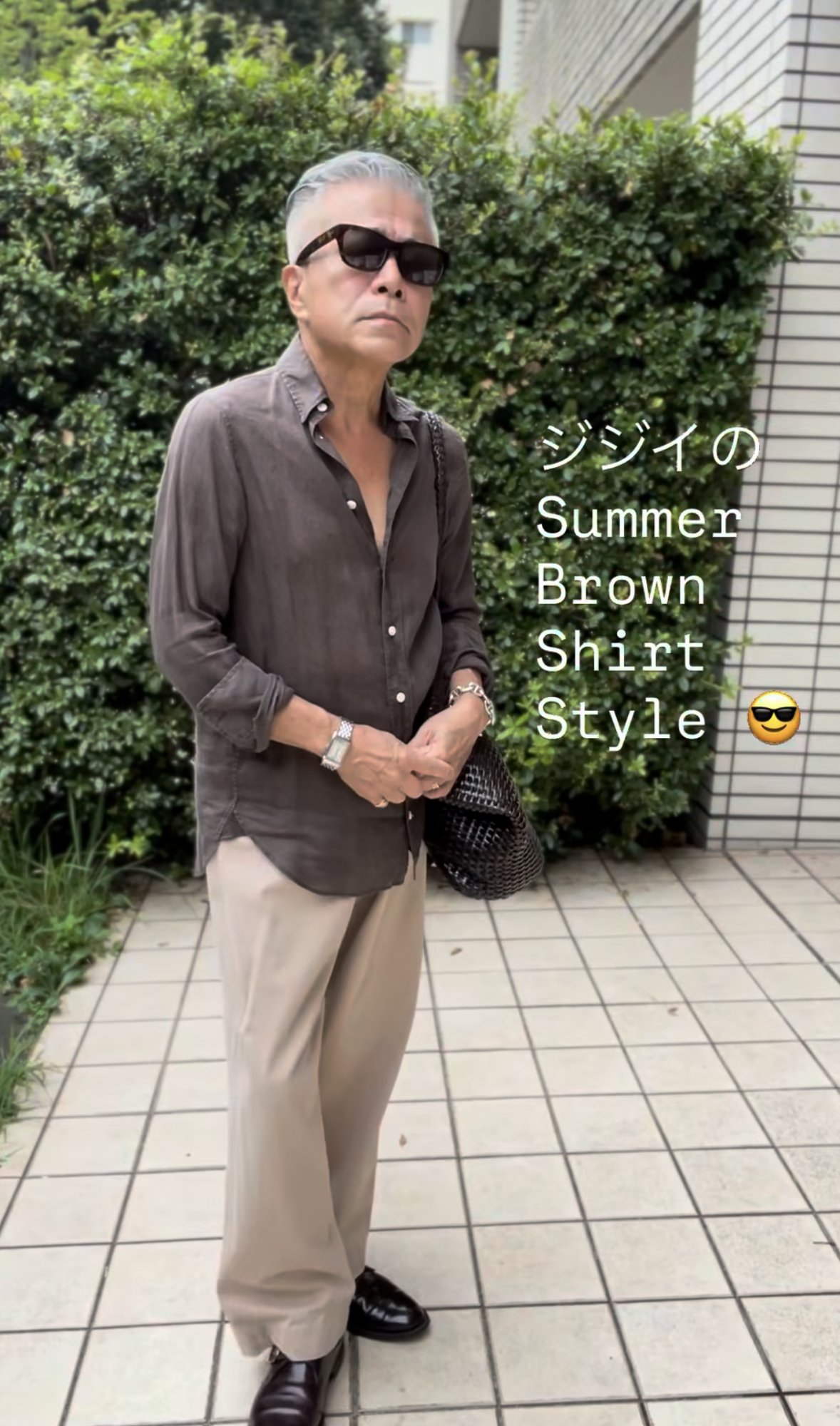
Arguably the people wearing the ivy/prep aesthetic the best at the moment are the Japanese. There’s a popular movement called “Amekaji” and “Ametora”, American casual and American traditional respectively. They embrace the aesthetic so well that you’d believe it was their own invention! Largely I believe this is thanks to the famous book Take Ivy by Shosuke Ishizu and Toshiyuki Kurosu. It brought the raw, unfiltered stills from the lives of real students on Ivy League campuses. What this did was skip the middleman between the heavily curated ad campaigns and the consumer, instead real kids in real situations. Now the Japanese have such a great understanding that it’s impossible not to take inspiration from them. A particular account I love is @Yoshid8s on Instagram. The account is truly a masterclass of dressing well everyday with something distinctly new and all the while distinctly you.
The understanding and the connection has greatly shaped my personal approach to dressing. I’d define my own style as working on a garment-by-garment basis. However, I would still say there is a method to the madness and I still follow my own “rules” of style. Say I have a sport coat on, then that means the shirt under must be tucked in. But, at the same time I wear my clothes in a “lazy” way. Pants are wrinkled, shoes unpolished, or ties worn ever so slightly short. There are very few occasions where I am required to dress a certain way and because of that freedom I have the privilege of creating my own guidelines. To those in the menswear space this should sound like sprezzatura (the art of looking like you’re not trying when trying) however to me, sprezzatura has always been about adding/altering something in your outfit e.g. a bold scarf or unbuttoning collar buttons. My approach is keeping all the individual pieces structured and beautiful in their own right, just not pampering them in a traditional fashion. By being conscious of these details I give them intention. They are no longer careless oversights. They are my flair which demonstrates my understanding of tradition and personal expression. Ivy/prep has always had this element of sticking it to the man and having a devil may care attitude!
Today, there just aren’t too many people dressing in this style by accident or because their fathers did before them, it’s for the hobbyists only now. 50 years ago a man wore an OCBD everyday because that’s what people around him wore. Today we reach for an OCBD because we choose to. One can only hope that they are drawn towards the entire aesthetic rather than simply the polos and loafers. And hopefully they’ll end up here reading my blog!
Notes from readers
Loading notes…